


Soldering Fume Extraction
Soldering Fume Under COSHH
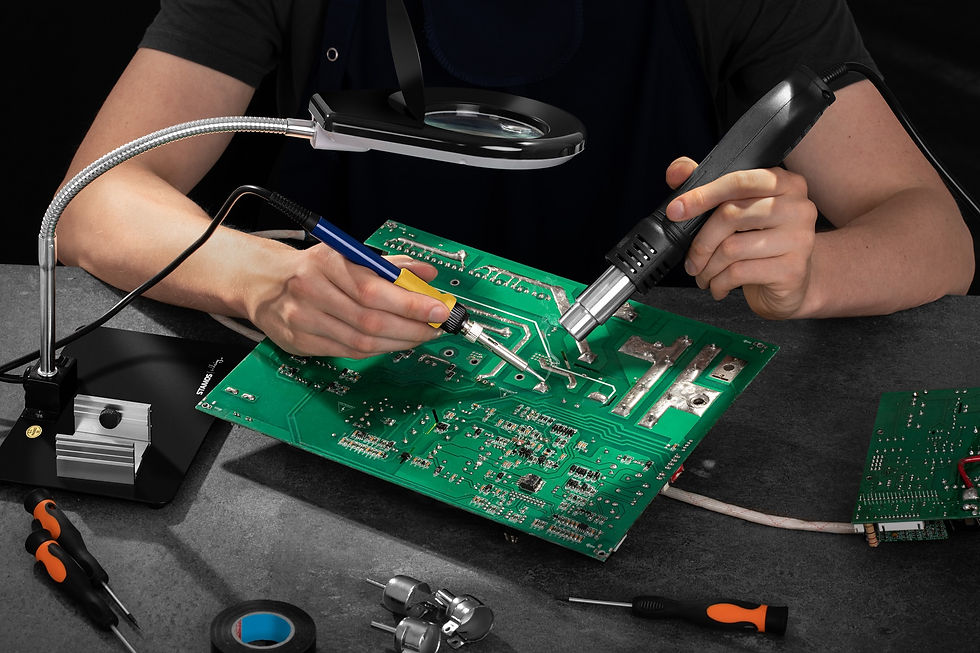
Solder fume from rosin-based flux is a known cause of occupational asthma, so the extraction controlling it falls under COSHH and needs thorough examination and testing.
Our P601-qualified examiners check capture right at the soldering tip, the arm positioning, the filters and the fan, then confirm whether the fume is genuinely being drawn away from the operator.
Soldering Fume LEV
Regulation
COSHH 2002
Examination interval
Max 14 months
Examiner
BOHS P601
Tested
On site
Report turnaround
Within 3 days
What's included
What's covered in soldering fume LEV testing
Capture at the Tip
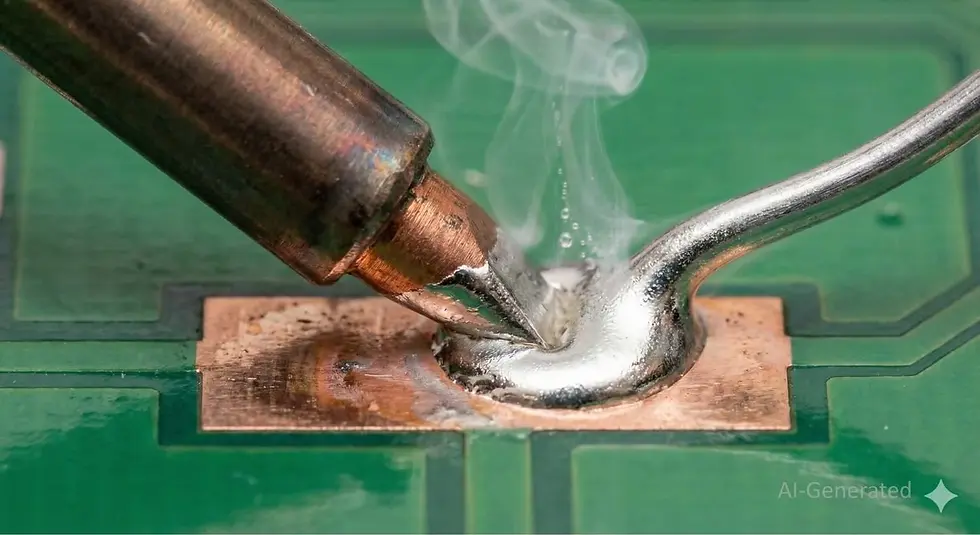
We measure capture velocity right at the soldering tip or nozzle, in the working position. A nozzle left too far from the joint, and low capture at the working position, are the faults we find most, because tip extraction only works up close.
Arm and Nozzle
We check the arm and nozzle positioning, the thing that decides whether the fume is caught or missed.
Filters
We assess the particulate and gas or carbon filter condition. Exhausted particulate or carbon filters are a common finding on bench extraction.
Fan, Ducting and Hoses
We check the fan performance and the ductwork, hoses and connections. Kinked or disconnected flexible hoses are defects we regularly report.
Recirculation and Benchmark
We confirm whether any recirculated air is being cleaned adequately, and measure performance against the benchmark, so the result reflects real capture at the joint.
How it works
Your soldering fume extraction LEV test, start to finish
Every scheme your equipment is required to meet under UK regulation carried out by accredited engineers and backed by compliant reports.
1
Book
Tell us the benches on the system and the site, and we'll set a date and a fixed quote, usually same day.
2
On-site examination
A P601-qualified examiner attends and tests capture right at the soldering tips.
3
Compliant report
You receive your LEV report within three days, with capture readings and any defects listed.
4
Reminders
We note the next due date and remind you before another test is required.
OUR STANDARDS
Capture measured at the source
We take our responsibilities seriously, upholding the highest standards of professionalism, quality and safety across every aspect of our operations.
Quality Assurance
Capture measured at the joint by P601-qualified examiners who test to a recognised standard.
Responsibility
A careful test that shows whether rosin fume is being drawn away and keeps you compliant with COSHH.
Care
The operator's health at the bench is the focus, and our reports give a clear, honest picture.
GET IN TOUCH
Request Soldering Fume LEV Testing
Tell us what you need tested and when. We'll confirm availability and a competitive quote, usually the same day.
Call us
0208 050 3958
Based in
Reading, Berkshire: serving the South of England
● Hampshire
● Oxfordshire
● Northamptonshire
● Cambridgeshire
● Surrey
● Buckinghamshire
● London
FAQ
Soldering Fume Extraction: What People Ask
How often does soldering fume extraction need testing?
At least every 14 months under COSHH, with annual testing the usual approach. Because tip extraction loads up over time, a test is also sensible after any change to the setup or a noticeable drop in performance.
Do you carry out LEV testing on site?
Yes. Our examiners come to your premises across Berkshire and the surrounding counties and test the system in place, under normal working conditions, with reports issued promptly.
Does the extraction nozzle position matter?
Hugely. Tip and bench extraction only works when the nozzle sits close to the joint, so we check capture at the working position, not just that the fan runs.
What happens if the system fails the test?
Your report sets out exactly where the system falls short and how serious it is, with clear recommendations. You then know precisely what to put right to bring both the control and your compliance back up to standard.
What does the LEV report include?
A diagram of the system, the airflow and capture measurements taken at each point, a comparison against how it should perform, and a clear statement of whether it is controlling exposure, along with any defects and what to do about them.