
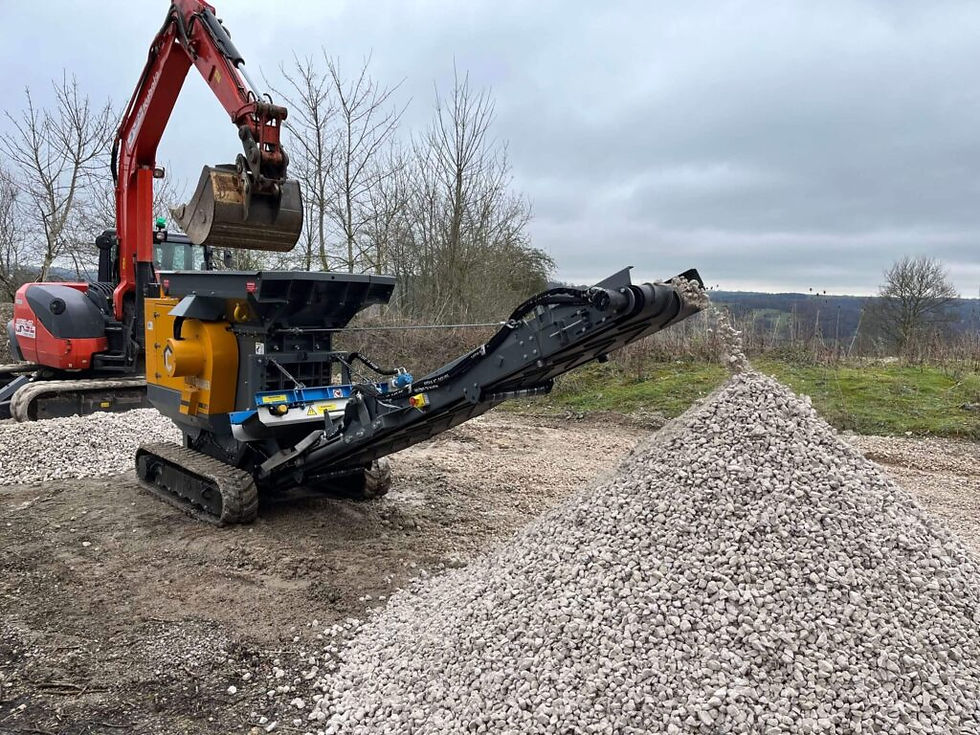



Crusher Inspection
Crushers Under PUWER
Crushers are high-risk work equipment, and PUWER 1998 is largely about keeping them properly guarded and inspected. Regulation 6 requires inspection at suitable intervals by a competent person, with guarding and emergency stops front and centre.
Our Engineer Surveyors carry that out on site and report on every safety-critical system.
Crusher PUWER
Regulation
PUWER 1998
Inspection interval
Risk-based
Common baseline
At least annual
Examined
On site
Report turnaround
Within 3 days
What's included
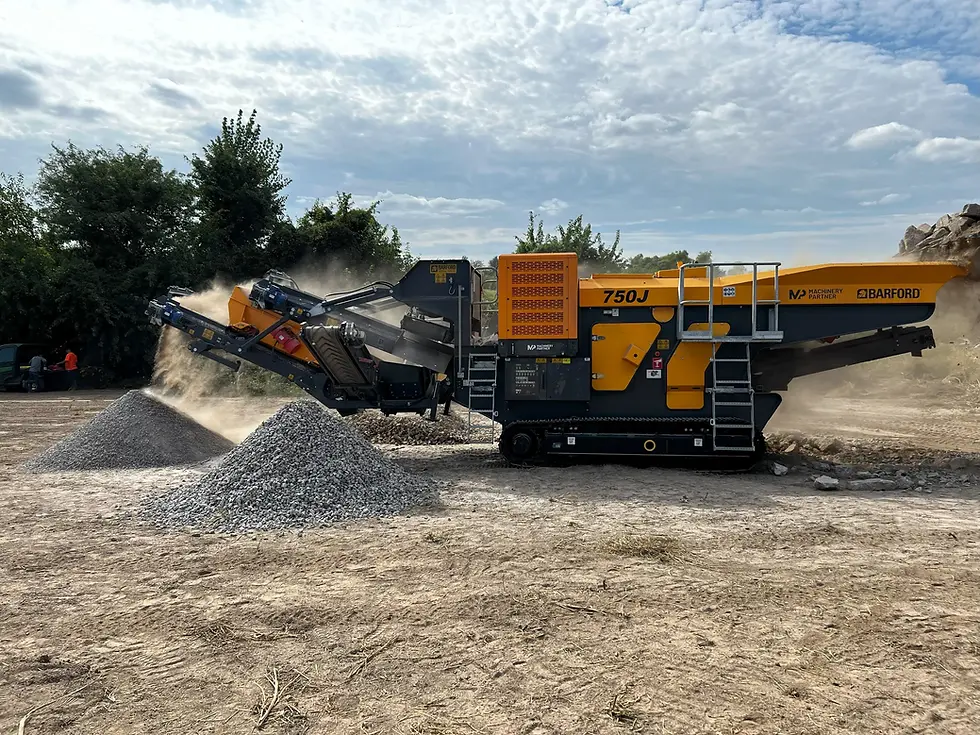
What's covered in a crusher inspection
Guarding
We check the fixed and interlocked guards over the chamber, flywheel and drives, the part of a crusher inspection that matters most. Missing, defeated or inadequate guards are the defect we flag hardest.
Emergency Systems
We test the emergency stops and pull-cords along the feed and discharge. Faulty emergency stops or pull-cords are a serious and common finding.
Drives and Wear Parts
We inspect the drive belts, couplings and their guards, and the jaw plates or liners, toggle and bearings for wear. Belt and coupling guard damage and worn jaw plates are regular issues.
Feed and Hydraulics
We check the feeder, conveyor and transfer points, and the hydraulic system and adjustment mechanism. Hydraulic leaks are among the faults we see most.
Structure and Isolation
We examine the structure, chassis and welds, the dust suppression and noise controls, and the isolation and lock-off provision for clearing blockages safely.
How it works
Your crusher's PUWER inspection, start to finish
Every scheme your equipment is required to meet under UK regulation carried out by accredited engineers and backed by compliant reports.
1
Book
Send the crusher details and your site, and we confirm a date and a fixed price, usually same day.
2
On-site examination
An Engineer Surveyor attends and inspects the machine under PUWER, guarding front of mind.
3
Compliant report
Your inspection report arrives within three days, with defects and timescales spelled out.
4
Reminders
We keep your next inspection date and prompt you before the crusher falls due.
OUR STANDARDS
Guarding and safety first, every time
We take our responsibilities seriously, upholding the highest standards of professionalism, quality and safety across every aspect of our operations.
Quality Assurance
Thorough, trustworthy inspections from highly skilled professionals who stay current with best practice.
Responsibility
A disciplined process that controls risk and keeps your plant compliant with PUWER and beyond.
Care
Safety drives every part of the work. Your people's wellbeing matters most, backed by proper standards.
GET IN TOUCH
Request a Crusher Inspection
Let us know what needs inspecting and when, and we'll confirm availability and a competitive quote, usually same day.
Call us
0208 050 3958
Based in
Reading, Berkshire: serving the South of England
● Hampshire
● Oxfordshire
● Northamptonshire
● Cambridgeshire
● Surrey
● Buckinghamshire
● London
FAQ
Crusher Inspections: Common Queries
Do you carry out inspections on site?
Yes. Our Engineer Surveyors come to your premises across Berkshire and the surrounding counties, and we issue reports promptly.
How often should a crusher be inspected?
PUWER fixes no interval. The frequency comes from a risk assessment, and for a machine this hazardous it tends to be regular, with an inspection also required after any exceptional event. At least annual is a common minimum alongside routine maintenance.
Why do crushers need such thorough guarding checks?
Because the crushing chamber, flywheel and drives can cause catastrophic injuries, guarding and emergency stops are the heart of a crusher inspection under PUWER. We check they are fitted, effective and not defeated.
What's the difference between PUWER and LOLER?
PUWER applies to all work equipment, which must be suitable, maintained and inspected as the risk requires. LOLER adds extra duties for equipment that lifts. Anything that lifts may need both, while the equipment on this page falls under PUWER.
What happens if equipment fails the inspection?
Your report sets out every defect and how serious it is. Anything that poses an immediate danger is flagged at once, so the equipment can be taken out of use until it is put right.