
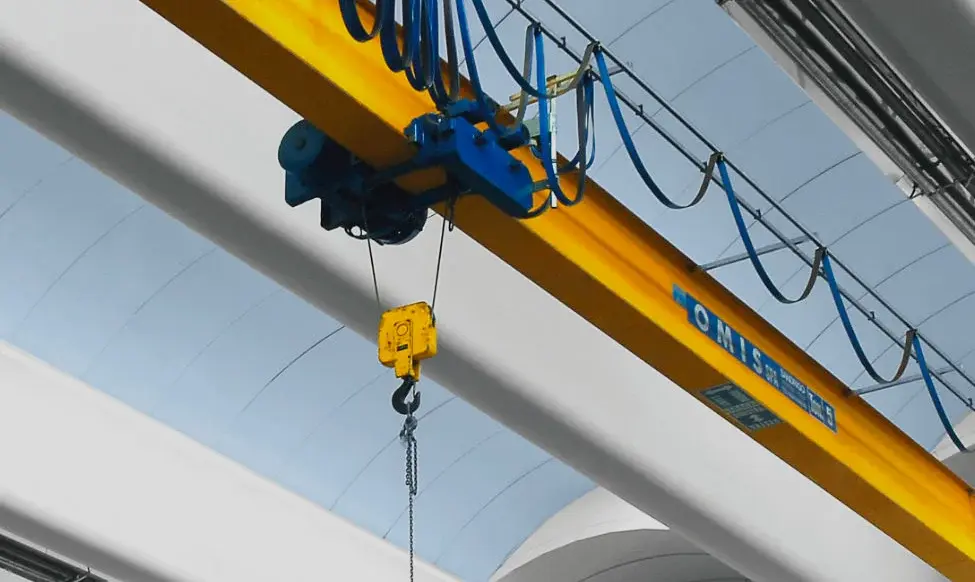



Hoist Inspection
Hoists as Lifting Equipment
A hoist is lifting equipment under LOLER 1998, whether it is a chain block in a workshop, an electric wire rope hoist on a runway beam or a patient hoist in a care setting. Hoists lifting loads need a thorough examination at least every 12 months, and anything lifting people, patient hoists included, every 6 months.
Our Engineer Surveyors examine yours on site and report on every load-bearing and safety-critical part.
Hoist LOLER
Regulation
LOLER 1998
Hoist lifting loads
Every 12 months
Lifting people
Every 6 months
Examined
On site
Report turnaround
Within 3 days
What's included
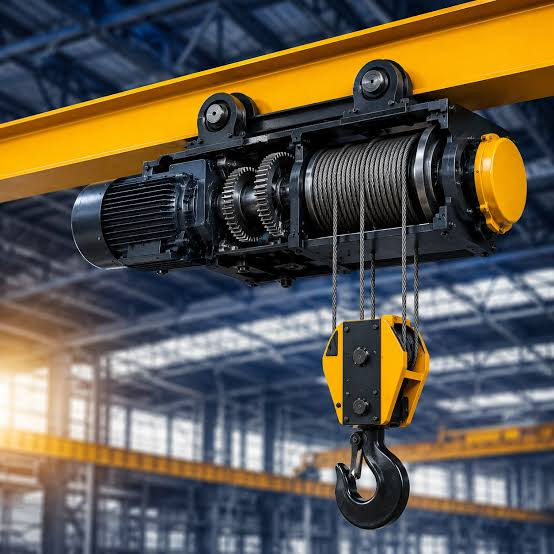
What's covered in a hoist inspection
Hook and Load Chain or Rope
We check the hook and safety catch for stretch, wear and deformation, and measure the load chain or wire rope for stretch, wear and damage. Stretched load chain and opened-out hooks are the faults we find most.
Brake and Gearing
We test that the brake holds the load without slipping and check the gearing and load sprockets for wear. A slipping brake that lets the load creep is a serious defect we report at once.
Limits and Overload
We test the upper and lower limit switches and the overload device or slipping clutch on powered hoists. Limits that fail to stop the hook are a common and dangerous finding.
Suspension and Trolley
We examine the top hook or suspension, beam clamp, trolley and end stops the hoist hangs from, because the whole load passes through them.
Controls, Slings and Markings
We test the pendant or controls and emergency stop, examine patient hoist slings and spreader bars where fitted, and confirm the safe working load markings are present and legible.
How it works
Your hoist's LOLER examination, start to finish
Every scheme your equipment is required to meet under UK regulation carried out by accredited engineers and backed by compliant reports.
1
Book
Tell us what hoists you have and where, and we confirm a date and a fixed quote, usually same day.
2
On-site examination
An Engineer Surveyor attends and examines each hoist thoroughly against LOLER.
3
Compliant report
You receive a report of thorough examination per item within three days, with any defects and timescales.
4
Reminders
We hold the 6 and 12-monthly due dates and prompt you before each one falls due.
OUR STANDARDS
Engineering inspections where safety comes first
We take our responsibilities seriously, upholding the highest standards of professionalism, quality and safety across every aspect of our operations.
Quality Assurance
Accurate, thorough examinations of every hoist and sling from Engineer Surveyors who train continually.
Responsibility
A clear process that keeps loads and people on the right interval and your business compliant with LOLER.
Care
Whether it lifts a gearbox or a patient, we examine every hoist as if someone is standing underneath it.
GET IN TOUCH
Request a Quotation
Tell us what hoists need examining and when. We'll confirm availability and a competitive quote, usually the same day.
Call us
0208 050 3958
Based in
Reading, Berkshire: serving the South of England
● Hampshire
● Oxfordshire
● Northamptonshire
● Cambridgeshire
● Surrey
● Buckinghamshire
● London
FAQ
Hoist Inspection: Common Questions
How often does a hoist need a LOLER examination?
At least every 12 months for a hoist lifting loads, and at least every 6 months for one lifting people, such as a patient hoist or a passenger hoist on site. A written scheme of examination can set a different period.
Do patient hoist slings need examining too?
Yes. Slings are lifting accessories, so they need a thorough examination at least every 6 months alongside the hoist, and each one should be identifiable so it can be traced on the report.
Do chain blocks and lever hoists count?
Yes. Manual chain blocks and lever hoists are lifting equipment just like powered hoists, and they need the same thorough examination, along with the beam clamps and trolleys they hang from.
What's the difference between LOLER and PUWER?
LOLER deals with the lifting side of your equipment, while PUWER covers it as work equipment more broadly. Plenty of machines need both, and we carry out PUWER examinations too.
What happens if equipment fails the examination?
Your report sets out every defect and how serious it is. Anything that poses an immediate danger is reported at once, so the equipment can be taken out of use until it is put right.