How PUWER Can Impact On-Site Materials: What Sites Need to Know
Updated: 3 days ago
On a working site, materials are constantly being moved, cut, crushed and lifted, and the equipment doing it sits firmly under PUWER. That brings duties most site managers never quite pin down. Here is how PUWER affects the way materials are handled on site, the hazards it makes you control, and where businesses tend to slip up.
How Does PUWER Impact On-Site Materials?
PUWER does not regulate the materials themselves, but it governs the equipment that moves, cuts, lifts and processes them on site. It also requires you to control the risks those materials create, such as debris being ejected, loads falling, or offcuts flying. So handling materials safely is squarely a PUWER duty.
Put simply, the impact lands on your equipment and your methods, not the bricks, aggregate or steel themselves. We carry out PUWER examinations across Berkshire and the surrounding counties, and material-handling plant is some of the busiest kit we see.
The Equipment That Handles Materials Is Covered
Any machine used to handle materials at work is work equipment, so PUWER applies to it. On most sites that covers a long list.
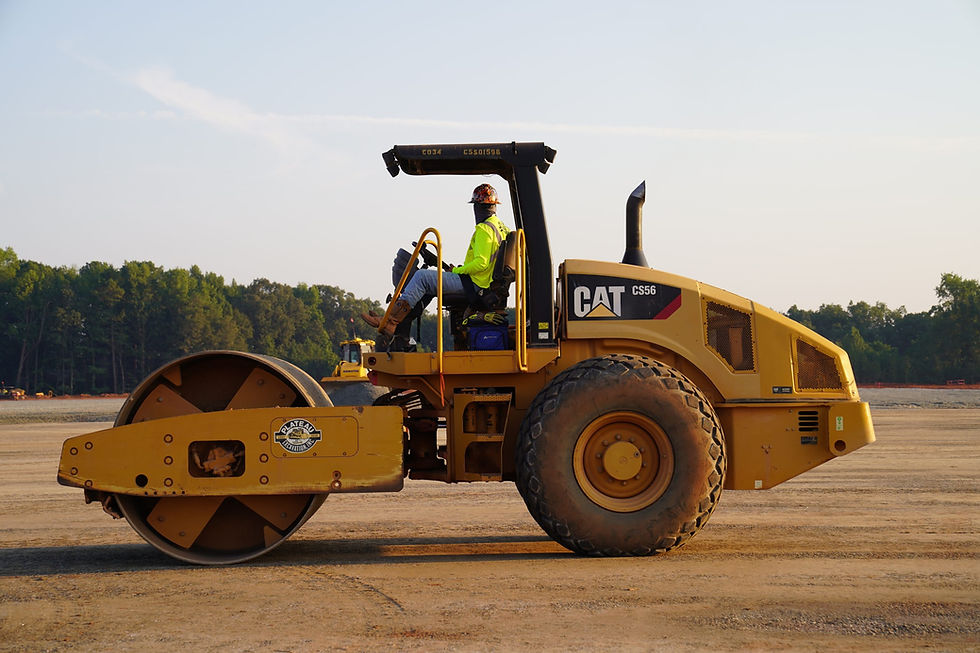
Think of dumpers shifting spoil and aggregate, rollers compacting ground, conveyors feeding a line, and cutting or grinding kit shaping materials. Processing plant is caught too, which is why a crusher inspection matters as much as a check on any other machine, given the forces and moving parts involved.
If a piece of equipment touches your materials, assume it is covered by PUWER until a competent person tells you otherwise.
The Material Hazards PUWER Makes You Control
This is where materials and PUWER really meet. The regulations require you to control the risks created when equipment works on materials. As the HSE sets out, that includes measures against parts and substances being ejected or falling from work equipment.
In our experience, the hazards that catch sites out are:
Debris or offcuts being ejected from cutting, grinding or crushing equipment
Materials or loads falling from mobile plant or lifting equipment
Dust and fragments thrown off while processing materials
Equipment or stored material rupturing or disintegrating, such as an abrasive wheel bursting
Materials shifting because equipment has not been stabilised or clamped
Hot or cold materials causing burns or other injury
PUWER expects guarding, controls and safe systems of work to deal with each of these before anyone gets hurt.
Choosing Equipment Suitable for the Material
PUWER also asks that equipment is suitable for the job, and that includes the material it is working on. A blade, wheel or attachment built for one material can be dangerous on another.
In our experience, a common failing is pressing a machine into a task it was never designed for, like using the wrong disc to cut a harder material. That is a PUWER suitability issue as much as a productivity one, and it is exactly the kind of thing that ends in a flying fragment.
Why This Matters on a Busy Site
On site, plant and materials move constantly, often within feet of people on foot. That mix is where material-handling failures turn into serious injuries.
A dumper with a dodgy tipping mechanism, an unguarded cutting machine, or a crusher with a worn safety device are not abstract risks. They are the everyday gaps that PUWER exists to close, and the ones an inspector will look at first after an incident involving materials.
Keeping Materials Handling PUWER-Compliant
The practical answer is to focus on the equipment. Keep your material-handling plant suitable for the job, properly guarded, maintained, and inspected at suitable intervals by a competent person, and make sure operators are trained on it.
Get the equipment side right and the materials side largely follows, because most material hazards on site come back to the kit handling them. Our thorough examination services cover that plant, so you have an independent check that it is safe to keep working.


Comments