
What Is a PSSR Inspection? What It Checks and Why It Matters

Updated: 11 minutes ago
"PSSR inspection" turns up on compliance checklists and insurance paperwork, often without much explanation of what the inspection actually is or what it covers. Here is a plain explanation of what a PSSR inspection involves, what a competent person checks, and why it matters for anyone running pressure equipment.

What Is a PSSR Inspection?
A PSSR inspection, properly called a thorough examination, is a statutory safety examination of a pressure system. A competent person checks the system in line with its written scheme of examination to confirm it is still safe to operate, looking at the pressure vessel, the pipework, and the protective devices that keep it within safe limits.
In short, it is the formal check that proves a pressure system is safe to keep using. We carry out PSSR examinations across Berkshire and the surrounding counties, and the examination is the difference between assuming a system is sound and knowing it is.
Inspection or Examination? A Note on Terms
It is worth clearing up the language, because it causes confusion. The regulations themselves use the word "examination", and the formal term is a thorough examination carried out in accordance with the written scheme. "PSSR inspection" is simply the everyday phrase for the same thing.
You may also hear it split into in-service and out-of-service examinations, depending on whether the system is running or shut down and opened up for internal access. The HSE's PSSR guidance uses the formal terms throughout.
What Does a PSSR Inspection Involve?
The examination is a structured safety check against the system's safe operating limits, not a quick glance over the equipment. Carried out by a competent person, it typically covers:
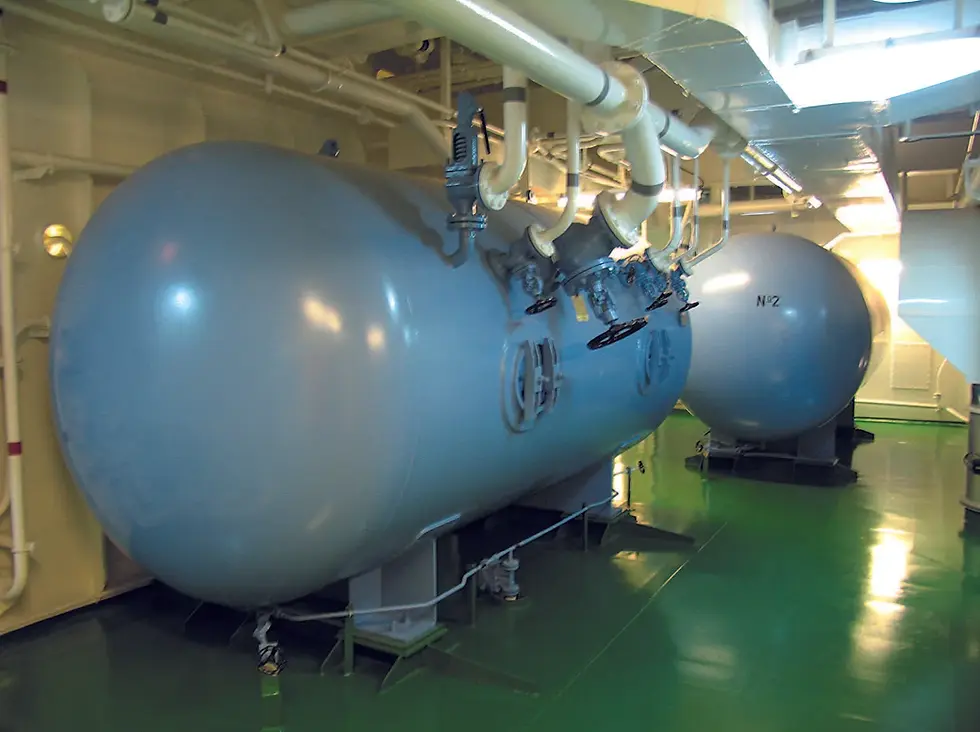
The external and internal condition of the pressure vessel, where it is safe to access
Safety and relief valves, to confirm they operate at the correct pressure
Pressure gauges and indicators, checked for accuracy
Drain valves and other protective devices
Pipework and joints where a failure could give rise to danger
Any signs of corrosion, erosion, cracking, leaks or abnormal vibration
The exact scope comes from the written scheme of examination, which sets out which parts of the system must be examined and how.
Who Carries It Out, and What You Get
The examination must be done by a competent person: someone with the technical knowledge, experience and independence to make an impartial judgement. That is often an inspector from an engineering insurance company or a specialist firm, and for complex systems the scheme may need to be certified by an engineer at incorporated or chartered level.
Afterwards, you receive a report of examination. It states clearly whether the system is safe, lists any defects and the action needed, and sets the date of the next examination. Where a defect poses imminent danger, it must be reported to the HSE.
How Often, and How It Differs From a Service
A PSSR inspection is carried out at the intervals set in the written scheme, commonly around every 12 months for many items, with the first examination done before the system is used. It is not the same as a routine service.
A service keeps the equipment running well, with oil, filters and general upkeep. The examination is a separate, statutory check focused purely on the pressure risk, and a service record cannot stand in for a report of examination.
The Bottom Line
A PSSR inspection is the statutory thorough examination that confirms a pressure system is still safe to operate. A competent person examines the vessel, pipework and protective devices against the written scheme and reports on whether it passes.
It happens at set intervals, it is separate from servicing, and it matters because the alternative is trusting a high-energy system that nobody has properly checked. Our thorough examination services cover the full range of pressure equipment, from the written scheme through to the examination itself.


Comments