Why Are LOLER Inspections Required? The Case for Getting It Right

Updated: 3 days ago
It is easy to treat a LOLER inspection as a tickbox cost, one more thing on the calendar that gets in the way of the actual work. But there are solid reasons the law insists on it, and most of them protect your business as much as your people. Here is why LOLER inspections are required, covering the safety, legal and business reasons in plain terms.
Why Are LOLER Inspections Required?
LOLER inspections are required because lifting equipment deteriorates with use and can fail, often with serious or fatal consequences. The law makes a thorough examination by a competent person a legal duty for any business with lifting equipment, both to keep people safe and to prove the equipment is fit to use.
In other words, it is both a legal obligation and a genuinely useful safeguard, not just paperwork. A LOLER examination gives you an independent, expert check that the kit your team relies on is actually safe.
The Main Reasons LOLER Inspections Exist
Strip it back and the requirement comes down to a handful of clear reasons:
Lifting equipment deteriorates. Chains stretch, hydraulics weaken and metal fatigues, often where you cannot see it.
Failures can injure or kill. A dropped load or a collapsed platform is rarely a minor incident.
It is a legal requirement. A thorough examination by a competent person is a statutory duty.
It keeps your insurance valid. A claim involving uninspected equipment is one an insurer will challenge.
It catches problems early. Small faults get spotted before they turn into failures or expensive repairs.
It proves your equipment is safe. The report is your evidence for inspectors, insurers and clients.
The rest of this comes down to three things: safety, the law, and the cost to your business.
Lifting Equipment Wears Out
This is the reason the regulations exist at all. Lifting equipment takes constant strain, and the parts that matter most are usually the hardest to eyeball.
A crane that looks perfectly fine can hide worn rope, fatigued welds or a slipping brake. Our crane inspection exists precisely because the failures that hurt people are the ones you do not spot from the cab. The same goes for the slings, hooks and chains that get thrown around a yard and quietly degrade.
A thorough examination puts trained eyes and proper checks on exactly those parts, at a sensible interval, before wear becomes failure.
The Consequences of Failure Are Severe
When lifting equipment fails, the results are rarely small. A falling load, a collapsing platform or a snapped chain can cause life-changing injuries or worse, and it can happen in a second.
The whole purpose of the regulations, as the HSE sets out, is to reduce the risk of injury from lifting equipment used at work. In our experience, the businesses that take examinations seriously are the ones that have either had a near miss themselves or seen one elsewhere. You should not need that lesson first.
It Is a Legal Requirement
LOLER inspections are not optional. The Lifting Operations and Lifting Equipment Regulations 1998 are UK law, enforced by the HSE, and they place a clear duty on anyone who owns, operates or controls lifting equipment used at work.
Skip the examination and you are not just cutting a corner, you are in breach of the law. The HSE can issue notices, take equipment out of use, and prosecute where things go wrong.
The Business Case Beyond Safety
Even setting safety and the law aside, the numbers usually make the case on their own.
Your insurance depends on it. If a piece of equipment fails and there is no valid report, you can find a claim disputed and the business left carrying the cost. A current certificate is one of the first things an insurer checks.
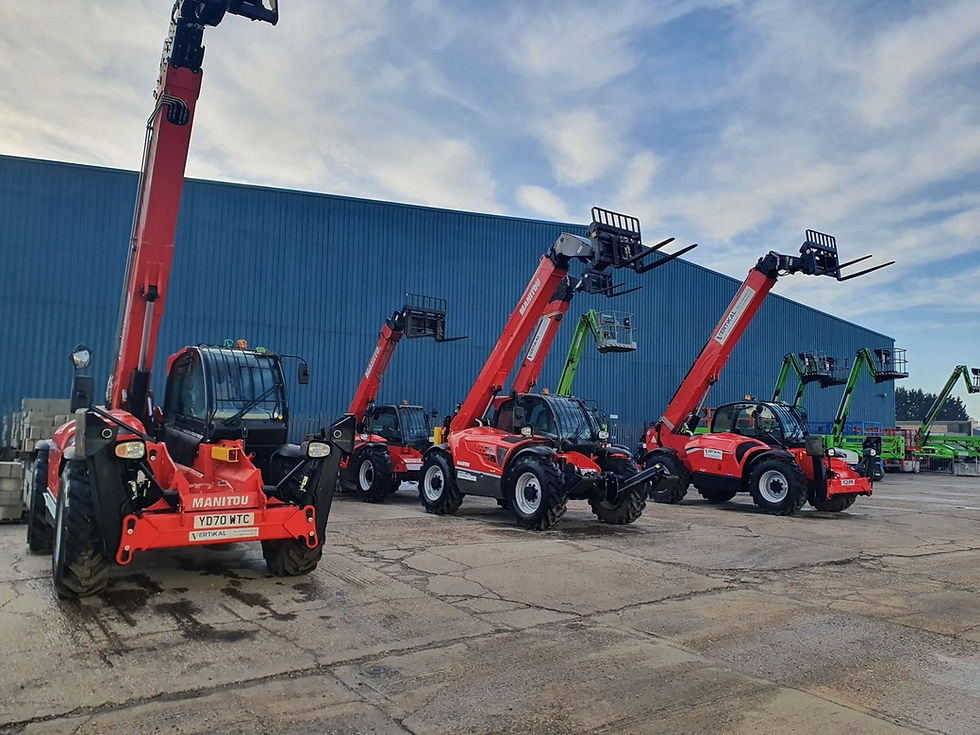
Downtime is expensive. A telehandler going down mid-job stalls everything around it. A telehandler inspection that flags a developing fault early lets you plan the repair, rather than losing days to a breakdown at the worst possible moment.
It protects your reputation. Clients and main contractors increasingly want to see that your equipment is examined and compliant before they let you on site.
What a LOLER Inspection Actually Gives You
At the end of it, you get a report from a competent person confirming the equipment is safe to use, or flagging exactly what needs fixing. That report is your proof of compliance and your audit trail if anyone ever asks.
So the honest answer to why LOLER inspections are required is simple. Equipment fails, people get hurt, and the law steps in to prevent it. Staying on top of your examinations is far cheaper, and far safer, than finding out the hard way why they matter.


Comments