


LOLER examinations
Local Exhaust Ventilation (LEV) Examinations in London
Local exhaust ventilation - the extraction that draws fume, dust and vapour away from people - only counts if it works, and COSHH requires it to be thoroughly examined and tested at least every 14 months to prove that it does. Miss it and you're not simply non-compliant; you're exposing people to the very thing the system was fitted to control.
Our P601-qualified examiners travel in from Reading to your London site and test the system under working conditions - airflow, capture, filters, the lot - then hand back a report that states, plainly, whether it's doing its job.
Independent, fully-qualified Engineer Surveyors
All inspections completed on attendance
Scope for multiple days for larger requirements
Clear documentation delivered promptly
5★
Client rating
5
Statutory schemes covered
8+
Counties served
1 visit
For most inspections
● Berkshire
● Hampshire
● Oxfordshire
● Northamptonshire
● Cambridgeshire
● Surrey
● Buckinghamshire
● London
serving the cITY
LEV Examinations Across West London
LEV follows the work that creates the hazard, and West London's mix is broad. We cover the whole city, focused hardest on the M4 corridor from Reading.
Heathrow & Hayes
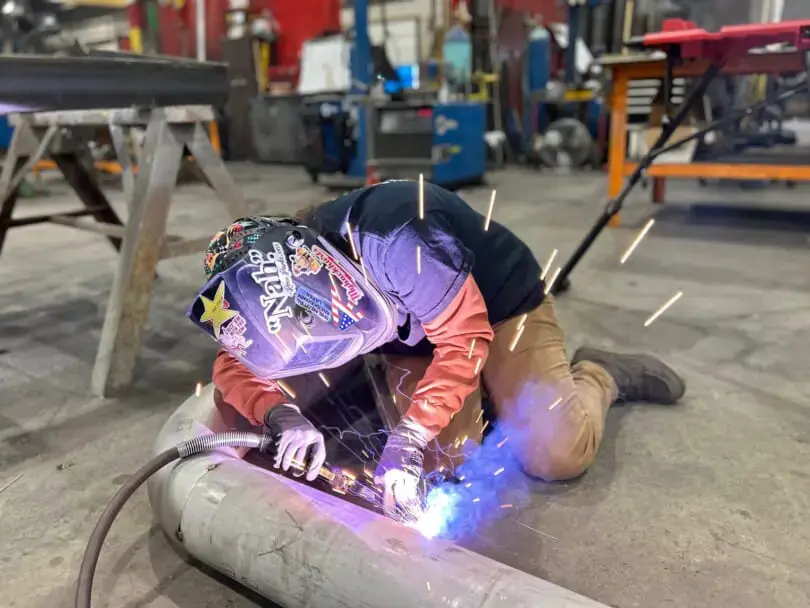
The fabrication and engineering units around Heathrow and Hayes (UB3, UB4, TW6) throw off welding fume and grinding dust - the extraction we're called to test most often across the industrial estates.
Park Royal & West London
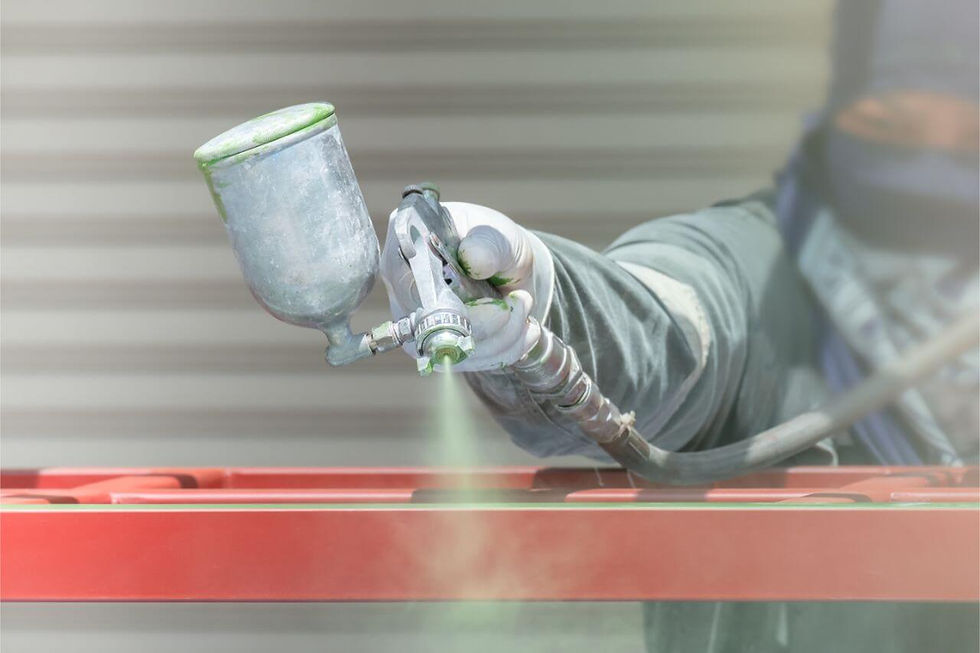
Park Royal (NW10, W3) is joinery, food production and coating work, so it's wood dust extraction and spray-booth ventilation, where a dropped airflow quietly fills the ducts long before anyone notices.
Uxbridge & Hillingdon
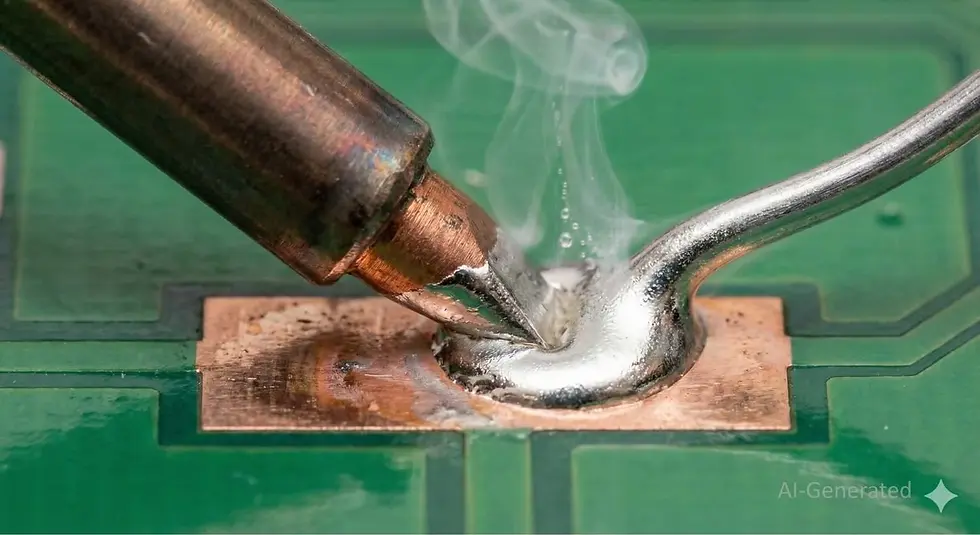
And the more specialist work out toward Uxbridge (UB8, UB10) - laboratory fume cupboards on the tech and science sites, soldering benches in electronics units - we test to the same standard. Wherever your system sits, we come to you.
★★★★★
"We have used nexus for number of years to do our lolars on hiabs and taillifts and had a great service everytime "
James Bell
★★★★★
"Nexus has carried out the statutory inspections for D.W.Lusted Ltd for the last three years faultlessly. Regularly helping with last minute inspections when needed"
Kelly Naish
D W Lusted
★★★★★
"We have been using Nexus for our statutory examinations for the last 18 months. We have a fleet of 166 pieces of plant. I find them to be very professional, efficient, reliable and informative on any queries. The certificates are emailed over within days of inspection. I would highly recommend Nexus for all your needs.
John English
Carmac
★★★★★
"We have been using Nexus Examination for all our Thorough Examinations & LOLER and PUWER inspections for the past several years. Andrew and his team provide an excellent, professional & first class service. I would recommend them to anyone.
Rob Warner
FAQ
Frequently Asked Questions
How often does LEV need testing?
COSHH puts the limit at no more than 14 months between thorough examinations and tests, so most operators settle into a yearly cycle to stay comfortably inside it. Some higher-risk processes need testing sooner, and a fresh test is due after any change to the system or how it's used.
My extraction seems to be working - why test it?
Because LEV can lose performance long before it looks or sounds different. A partly blocked filter or a dropped airflow still moves air, but no longer captures the fume or dust at source - which is the whole point. A P601 test measures what your eyes can't.
What is P601, and why does it matter?
P601 is the BOHS qualification for thorough examination and testing of LEV systems. It's the competency the work actually calls for, and the first thing worth checking in anyone you let near your extraction. Ours hold it.
Do I legally need an LEV test?
If you run a process that produces hazardous fume, dust or vapour and control it with local exhaust ventilation, COSHH requires that LEV to be thoroughly examined and tested at least every 14 months. So yes - the test is how you prove the control works.